



WASHINGTON, D.C. — Following a divisive midterm election season, the National Partnership for Healthcare and Hospice Innovation (NPHI) is encouraging Americans to set aside political differences this holiday season and focus on something that brings families together: caring for the people they love.
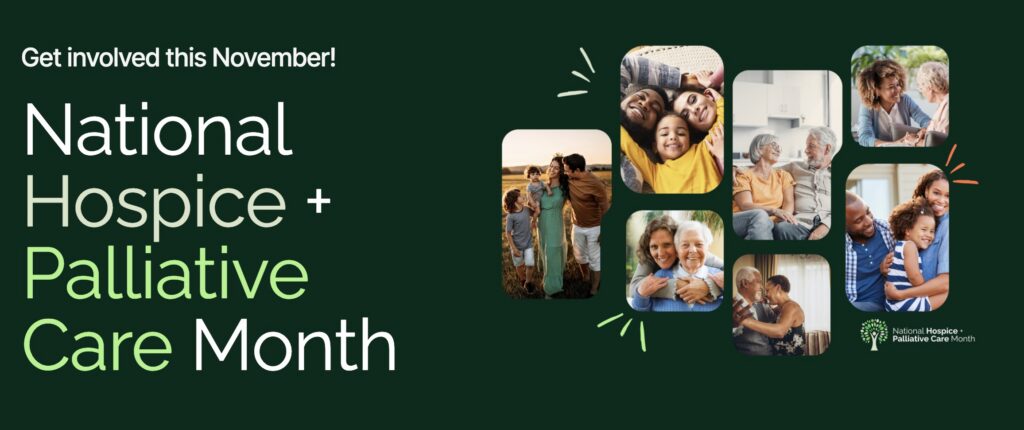
The call comes during National Hospice and Palliative Care Month, as NPHI highlights its “Care You Can Trust” campaign to raise awareness of the importance of hospice and palliative care services and encourages families to have meaningful conversations about their healthcare wishes before a crisis occurs.
With Thanksgiving approaching, NPHI is urging families to use their time together to discuss how they want to age, what matters most to them, and the kind of care they would want if faced with serious illness.
“We’ve spent months hearing what divides us. This holiday season, I’d encourage Americans to spend a little more time talking about what brings us together,” said Tom Koutsoumpas, Founder and CEO of NPHI. “Whatever our political differences, we all want the people we love to be cared for with dignity and respect. One of the most important things we can do for our families is to make our wishes known, so that when difficult decisions arise, the people closest to us know what matters most.”
Aging on Our Own Terms
America is growing older, and the way people want to experience aging is changing. Older adults want a greater say in how they receive healthcare, including the ability to remain independent and receive care in the place they call home.
Yet much of the healthcare system has historically been built around hospitals and institutional settings, even as Americans consistently express a preference for aging in their own homes and communities.
As healthcare delivery increasingly moves into the home, the experiences of hospice and palliative care providers offer important lessons. For decades, these providers have helped people facing serious illness receive specialized care in familiar surroundings, with treatment guided by their individual wishes and goals.
But aging on one’s own terms begins long before care is needed. It requires conversations about what independence means, how someone would want to live if their health changed, and which decisions they would want their loved ones to make on their behalf.
“One of the greatest gifts we can give the people we love is knowing what matters most to them,” said Carole Fisher, President of NPHI. “Too often, families find themselves facing difficult decisions without ever having had that conversation. Knowing someone’s wishes in advance can lift an enormous weight from their loved ones’ shoulders and give everyone peace of mind. This holiday season, I hope more families will take the time to listen to one another and have those conversations while they can.”
Care You Can Trust, When It Matters Most
Knowing what a loved one wants is an important first step. Equally important is knowing that when care is needed, there are healthcare providers who will listen to those wishes and respect the decisions families have made together.
At a time when public trust in healthcare is under strain, that confidence matters. Families should be able to trust that their loved ones will receive care that reflects their values, particularly as they grow older or face serious illness.
This November, NPHI’s “Care You Can Trust” campaign, held in recognition of National Hospice and Palliative Care Month, is encouraging Americans to think ahead about the care they would want and the providers they would turn to when the need arises.
Hospice and palliative care providers have an important role in helping people receive care that aligns with their wishes, often in the comfort of their own homes. Understanding these services before they are needed can help families make informed decisions and avoid the uncertainty that comes with navigating a serious illness without a plan.
This Holiday Season, Start the Conversation
As families gather this holiday season, NPHI is encouraging Americans to begin those conversations, learn about the care available in their communities, and take steps to ensure their wishes are understood long before difficult decisions have to be made.
As people gather with loved ones over the holidays, NPHI encourages everyone to ask a few simple questions:
- What matters most to you as you grow older?
- If you became seriously ill, where would you prefer to receive care?
- Who would you trust to make healthcare decisions on your behalf if you were unable to speak for yourself?
- Have you shared your wishes with the people who may one day need to help make those decisions?
These conversations do not have to happen all at once. Even a few minutes of honest discussion can help us better understand one another and begin planning for the future.
To help Americans get started, NPHI offers its free 5-Point Guide to Advance Care Planning, with practical steps for discussing healthcare wishes and documenting personal preferences.
###